

Nuclear medicine has established itself as one of the most innovative areas in diagnostic imaging, offering advanced resources for the detection and follow-up of a wide range of diseases.
By using small amounts of radiopharmaceuticals, this service enables functional analysis of organs and tissues with precision and safety.
For diagnostic imaging centers seeking to stand out in the market and offer increasingly comprehensive studies, investing in nuclear medicine represents a strategic opportunity with clinical and competitive benefits.
In this article, learn which nuclear medicine studies exist and why they are worth offering in a Diagnostic Imaging Center (CDI). Take a look!
Nuclear medicine: what it is and what it is used for
Nuclear medicine is a medical specialty that uses radioactive materials, called radiopharmaceuticals, to diagnose and treat different health conditions.
Once administered in the body, these compounds make it possible to visualize the functioning of organs and tissues in imaging studies, which facilitates the identification of metabolic and structural changes even before symptoms appear.
This type of study is used in areas such as cardiology, oncology, neurology, and nephrology, providing more precise diagnoses and more effective follow-up.
What are nuclear medicine studies?
Nuclear medicine offers a range of studies that evaluate the functioning of different organs in a non-invasive and highly accurate manner.
Each procedure is indicated according to the patient’s clinical need, enabling detailed diagnoses across multiple medical specialties. Among the main studies are:
- Bone scintigraphy: used to investigate hidden fractures, infections, or bone metastases. This test shows bone metabolic activity and helps detect changes even before they appear on conventional radiographs.
- Myocardial perfusion scintigraphy: widely used in cardiology, it assesses areas of the heart with insufficient blood flow. It is essential for the diagnosis of ischemia and infarction and for monitoring people with coronary disease.
- Renal scintigraphy: analyzes kidney function, identifies obstructions in the urinary tract, tracks the evolution of renal transplants, and detects possible congenital or acquired abnormalities. It is especially useful in pediatric patients or those with chronic kidney disease.
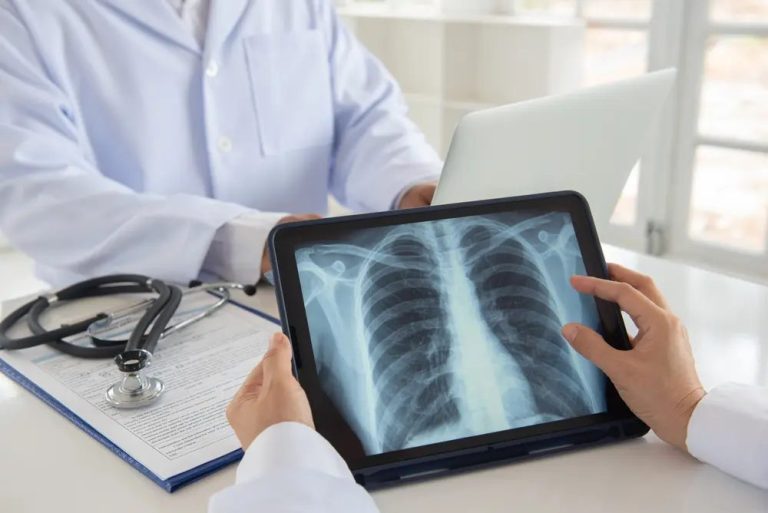
- Pulmonary ventilation/perfusion (V/Q) scintigraphy: mainly used to diagnose pulmonary embolism. It compares ventilation (air entry) and perfusion (blood flow) in the lungs, providing detailed information about respiratory function.
- PET-CT: combines metabolic images from positron emission tomography with anatomical data from computed tomography, being highly effective for early cancer detection and for evaluating response to oncologic treatment, as well as in neurological and cardiac studies.
- Thyroid scintigraphy: evaluates thyroid gland function, identifying nodules, hyperthyroidism, hypothyroidism, and cancer. It is fundamental for assessing hormonal disorders and therapeutic planning.
Why is it worth offering nuclear medicine studies in your CDI?
Offering nuclear medicine studies in a Diagnostic Imaging Center (CDI) represents an intelligent strategy from both a clinical and financial perspective.
These studies add high value to the service portfolio, as they are specialized procedures, of higher complexity, and therefore with higher reimbursement from health plans and payers.
In general, nuclear medicine studies are among those with the highest reimbursement values in payer fee schedules, which directly impacts revenue growth for imaging operations.
In addition, they attract a broader audience seeking precise diagnoses and technological differentiation, increasing the average ticket per visit and expanding overall operational profitability.
Incorporating nuclear medicine also strengthens the institution’s image as a reference in advanced diagnostics, increasing competitiveness and fostering loyalty among ordering physicians and patients.
PACS for nuclear medicine
Pixeon Aurora PACS provides Diagnostic Imaging Centers with advanced capabilities for multiple medical specialties, including nuclear medicine. Below are some of these functions:
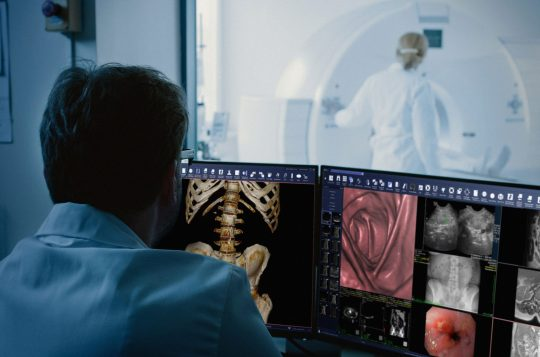
- PET-CT fusion: combines morphological and functional/metabolic studies in a single exam, enabling diagnosis, staging, and follow-up of oncology patients.
- PET-CT follow-up: enables the comparison of metabolic responses between PET-CT studies to monitor lesion evolution.
- Multiple SUVs for PET-CT: allows choosing among four types of SUVs (Standardized Uptake Values) for precise analyses adjusted to the patient’s biotype.
- PET-MIP fusion with Cine 3D display: dynamic, three-dimensional visualization that optimizes study interpretation.
- Planar and 3D SUV measurements: enables quantification of radiopharmaceutical uptake using different body-parameter metrics.
>> Learn more about Pixeon Aurora PACS and how this technology creates value for your CDI: download the free e-book “7 Secret Tools of Pixeon Aurora PACS You Need to Know”.
About Pixeon
Pixeon is the company with the largest software portfolio for the healthcare market.
Our solutions serve hospitals, clinics, laboratories, and diagnostic imaging centers, covering both management (HIS, CIS, RIS, and LIS) and diagnostic processes (PACS and Laboratory Interface), ensuring high performance and top-tier management in healthcare institutions.
The HIS/CIS software for hospitals and clinics, Pixeon Smart, is a complete solution that integrates the entire institution into a single system. It is also certified with the highest level of digital maturity by SBIS (Brazilian Society of Health Informatics).
We already have over 3,000 clients in Brazil, Argentina, Uruguay, and Colombia, serving millions of patients annually through our platforms.
Want to know if Pixeon’s technologies offer everything you’ve always wanted for your hospital or clinic?Request a commercial consultation and be amazed by everything our management system can provide!